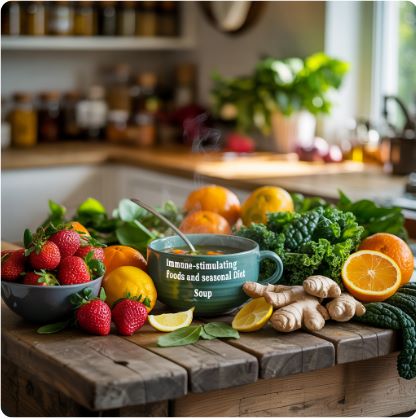
Immune-Stimulating Foods and Seasonal Diet
Check out this clinical guide for health insights on foods that strengthen the immune system and nutritional advice designed for the transition from winter to summer with unexpected rains.

Immune-Stimulating Foods and Seasonal Diet
As temperatures increase and the environment changes, it becomes increasingly important to adjust dietary habits that support and strengthen our body's immune function. Seasonal shifts to summer with unseasonal rains in between can have a substantial impact on the immune system. This article offers information on foods that strengthen the immune system and dietary suggestions specific to the summertime transition.
Individuals are more vulnerable to infections during seasonal changes because the immune system adapts to environmental changes. Sufficient nourishment is essential for strengthening the immune system and guaranteeing the best possible protection against infections. says a specialist
" A proactive approach to boost the immune health is eating a nutrient-rich diet tailored to seasonal transitions," the expert said. Eating a range of meals that strengthen the immune system gives the body the nutrition it needs to fight off infections. It is imperative that people adopt dietary modifications that are in line with the unique requirements of each season in order to enhance their general health. For individualized guidance always seek the assistance of a healthcare professional based on specific medical conditions.”
The following vital nutrients were listed by the doctor for immune support:
a. Vitamin C
Citrus fruits, strawberries, bell peppers, and broccoli are good sources of vitamin C. Promotes the generation of antibodies and white blood cells.
b. Vitamin D
Originated from food, such as fatty fish and fortified dairy products, and sun exposure. Promotes antimicrobial defense and controls the activity of immune cells.
c. Zinc
Found in lean meats, beans, nuts, and seeds. Essential for the growth and operation of immune cells.
d. Probiotics
A type of good gut flora that influences immune responses; present in fermented foods such as kefir, yogurt, and sauerkraut.
Seasonal Shift the Dietary Guidelines
a . Boost Hydration
Proper hydration is essential for immune system and general health. The foods high in water content such as leafy greens, cucumbers, and watermelon are included.
b. Emphasis on Colorful, Fresh Produce
Incorporate a range of fruits and vegetables high in antioxidants, vitamins, and minerals into your diet. Add in seasonal foods like leafy greens, melons, and berries.
c. Include Omega-3 Fatty Acids
These are present in walnuts, flaxseeds, and fatty fish (salmon, mackerel). They promote immune cell function and anti-inflammatory reactions.
d. Herbs and Spices
Boost your immune system by incorporating anti-inflammatory and antibacterial herbs like garlic, ginger, and turmeric into your food.

Tips for Meal Planning
a. Balanced Macronutrients
Make sure your diet is well-balanced and includes enough healthy fats, carbohydrates, and proteins. The structure and operation of immune cells depend on proteins.
b. Restrict Processed Foods
Restrict the amount of processed and sugary foods you eat because they can weaken your immune system. Choose complete, nutrient-dense meals.
c. Moderate Intake of Coffee and Alcohol
Immune system performance may be weakened by excessive alcohol and caffeine consumption. Drink these drinks in moderation.
"The germs and viruses we are exposed to change with the seasons," remarked the expert. During this period of change, staying healthy primarily depends on maintaining a robust immune system. In addition to the obvious benefits of hand cleaning, getting adequate sleep, and reducing stress, diet can have a significant influence on immune function. Stock up on these foods that increase immunity to help your body fight off the seasonal shift.

Expert Advice Suggested
1. Fruits with citrus peels
One of the best supplements for strengthening the immune system is vitamin C. It neutralizes free radicals, which can cause cell harm, in its capacity as an antioxidant. It also aids in boosting white blood cell production, which combats illness. Include citrus fruits in your meal and snacks as they are high in vitamin C. Oranges, grapefruits, lemons, and limes are the examples of citrus fruits. Juiced oranges still have immune-boosting properties.
2. Red Bell Peppers
You might be shocked to hear that red bell peppers have nearly three times the amount of vitamin C as oranges! They are also a fantastic source of beta carotene, which the body uses to produce vitamin A, which helps control immunological function and maintains the health of tissues and skin by acting as an additional layer of defense.
3. Broccoli
Packed with fiber, antioxidants, vitamins A, C, and E, as well as other phytochemicals that strengthen the immune system, broccoli is a remarkably nutrient-dense vegetable. Glutathione, the main ingredient that gives broccoli its potency, increases the body's natural ability to fight off illness by producing more of this powerful antioxidant.
4. Garlic
Garlic possesses potent antiviral, antifungal, and antibacterial qualities that enhance your immune system's capacity to combat illness. Garlic's immune-boosting properties come from the sulfur which containing molecule called allicin. Try adding more garlic to your food, but before heating, chop or smash it and let it sit for ten minutes to allow the allicin to fully active.
5. Ginger
Packed with anti-inflammatory and antioxidant chemicals called gingerols, this spicy root is another immune system defender. In addition to relieving joint and muscle pain and nausea,
fresh ginger can assist treat respiratory problems brought on by seasonal allergies or infections. Add some grated ginger to stir-fries, steep some in hot water to make ginger tea, or puree in a smoothie.
6. Yogurt
Seek for yogurts that have active, living culture strains, such as Bifidobacterium and lactobacillus. These "good" probiotic bacteria help in the colonization of your gut with beneficial microorganisms that enhance immunity and prevent the formation of pathogenic bacteria. Additionally, Greek yogurt has a significant protein content that supports immunological cells.